
When heading out into the backcountry, most people spend hours researching waterproof jackets and high-tech boots. But the unsung hero of outdoor comfort isn’t your outer shell—it’s the layer resting directly against your skin.
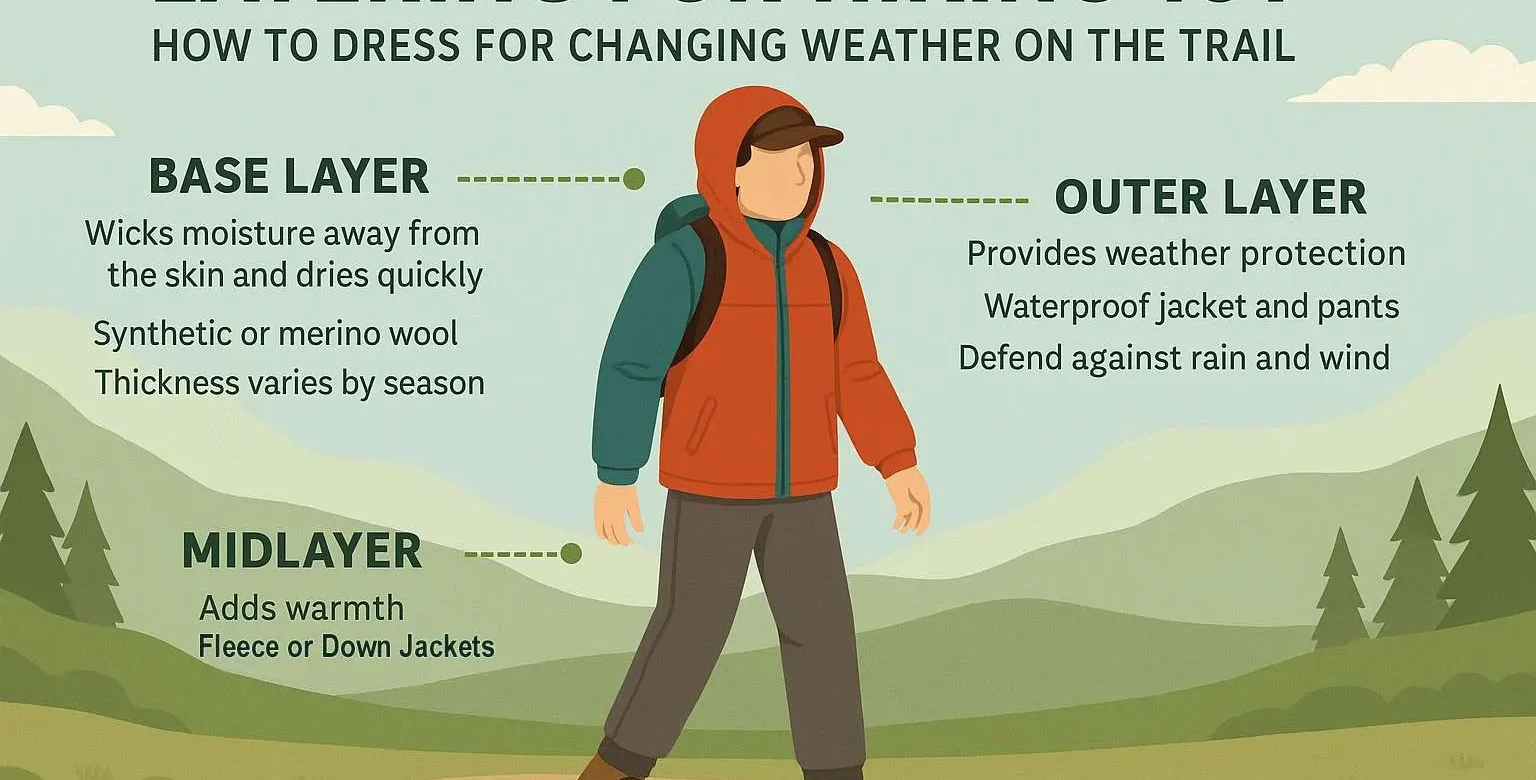
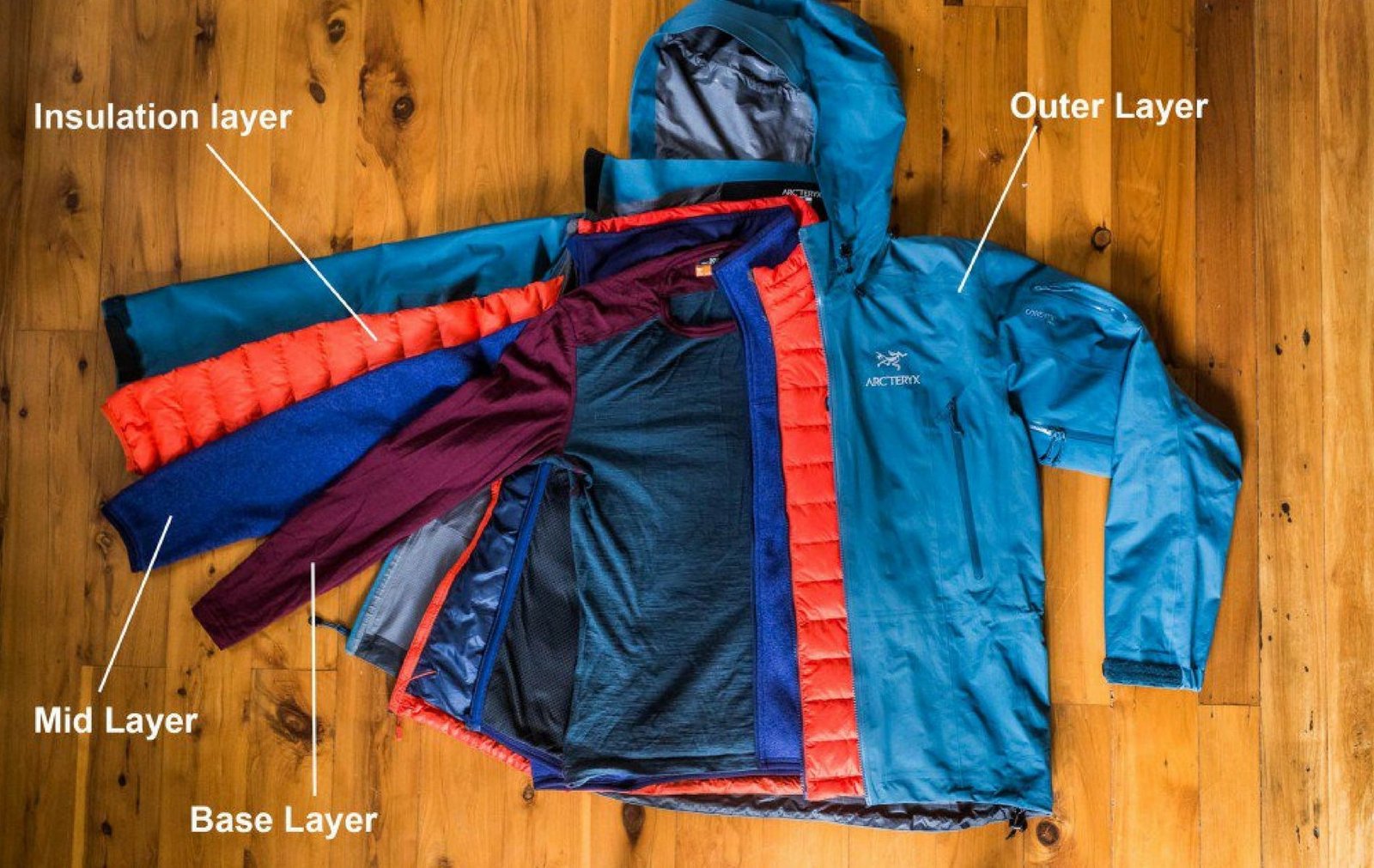
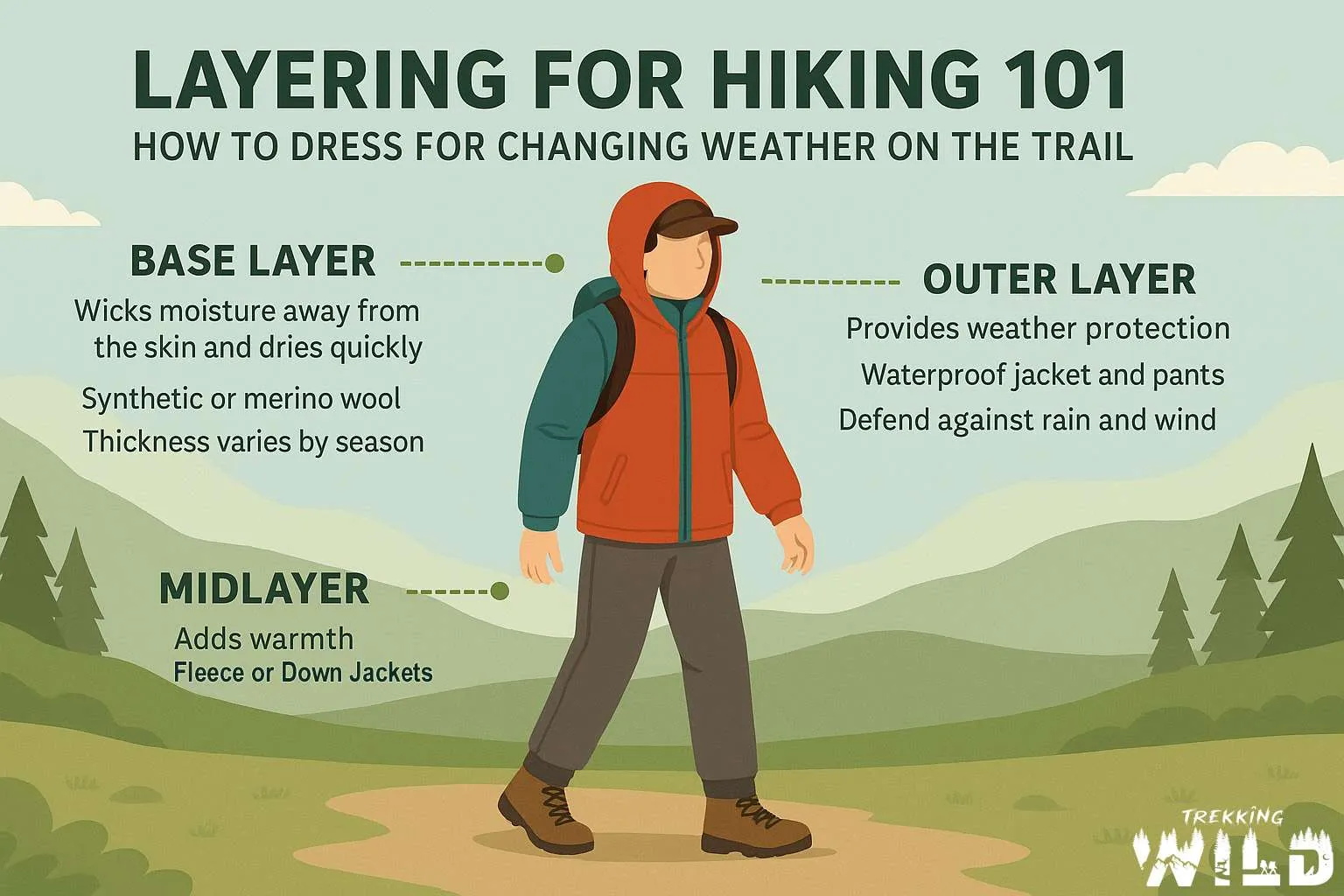
Your base layer serves as the foundation of the classic outdoor three-layer system (base layer, insulating mid-layer, protective outer shell). Its primary job isn’t actually to keep you warm; it’s to keep you dry. When you exert yourself on steep inclines, your body produces sweat. If that sweat remains trapped on your skin, it cools down rapidly the moment you stop moving, leading to severe chills and potential hypothermia.
Whether you’re skiing, winter hiking, or camping through chilly fall nights, here is your complete guide to choosing the essential base layers that will keep you warm, dry, and comfortable on every adventure.
1. Choosing the Right Material: Wool vs. Synthetics
The golden rule of outdoor base layers is simple: Never wear cotton. Cotton absorbs water like a sponge and holds cold moisture against your skin, draining your body heat up to 25 times faster than dry air.
Instead, choose between two high-performance materials:
- Merino Wool: Nature’s premier performance fiber. Merino wool naturally regulates temperature, retains insulation even when damp, and possesses natural antimicrobial properties that prevent odor buildup—making it the top choice for multi-day trips.
- Synthetic Fabrics (Polyester/Nylon/Polypropylene): Engineered for maximum speed and durability. Synthetics pull moisture off your skin faster than wool and dry in a flash. They are lightweight, budget-friendly, and ideal for high-intensity, high-sweat activities like trail running or steep ascents.
2. Understanding Base Layer Fabric Weights
Base layers come in different fabric weights, usually measured in grams per square meter (GSM). Choosing the right weight depends on the outside temperature and your level of physical exertion:
- Lightweight (150–170 GSM): Best for mild to cool weather, or high-output activities like summer alpine climbing and fast hiking. Focuses heavily on moisture management rather than insulation.
- Midweight (200–240 GSM): The most versatile option for fall and winter. Provides a balanced mix of thermal warmth and moisture wicking for cold-weather hikes, snowshoeing, and camping.
- Heavyweight (260+ GSM): Designed for sub-zero temperatures and low-activity situations, such as winter camping nights, ice fishing, or sitting around an evening campfire.
3. The Importance of a Next-to-Skin Fit
For a base layer to wick sweat effectively, it must physically touch your skin.
- Snug, Athletic Cut: A loose base layer leaves air gaps where sweat can puddle on your skin before evaporating. Choose a form-fitting cut that hugs your torso and legs comfortably without restricting movement.
- 4-Way Stretch: Look for garments with elastane or spandex blended into the weave so the fabric moves effortlessly with your body when climbing or scrambling over rocks.
4. Flatlock Seams and Seamless Construction
When you carry a heavy backpack for miles, standard raised clothing seams can dig into your shoulders, hips, and back, causing painful chafing.
- Flatlock Stitching: High-quality outdoor base layers feature flatlock seams, where the fabric edges are sewn flat against each other rather than overlapped.
- Ergonomic Shoulder Panels: Look for tops that eliminate seams directly along the top of the shoulder panel, preventing pressure points underneath backpack straps.
5. Don’t Forget Your Lower Half (Thermal Tights)
Many hikers invest in a great thermal top but rely on standard hiking pants for their legs. Your legs contain some of the largest muscle groups in your body—keeping them warm and dry maintains overall core temperature and reduces muscle fatigue.
- Matching Thermal Bottoms: Pair your thermal top with high-waisted thermal tights made from the same moisture-wicking material.
- Boot-Cut or 3/4 Length: If you wear high-cut mountaineering or ski boots, consider 3/4-length thermal tights that end just above the boot line to prevent fabric bunching around your ankles.
Base Layer Material Comparison
| Material | Moisture Wicking | Odor Resistance | Drying Speed | Durability | Best For |
| Merino Wool | High | Exceptional (Days) | Moderate | Moderate | Multi-day treks & deep cold |
| Polyester / Synthetic | Exceptional | Low to Moderate | Extremely Fast | Very High | High-output, intense sports |
| Silk | Moderate | Moderate | Fast | Low | Ultralight, mild-weather layering |
| Cotton | Extremely Poor | Poor | Extremely Slow | High |
“There is no bad weather, only bad layers.“
Nordic Proverb
Final Thoughts
A great adventure starts with a solid foundation. By pairing a snug-fitting, moisture-wicking base layer with a quality mid-layer fleece and a protective outer shell, you create an adaptable climate control system right on your back. Invest in good base layers, stay dry, and enjoy the trail no matter what the thermometer says!