
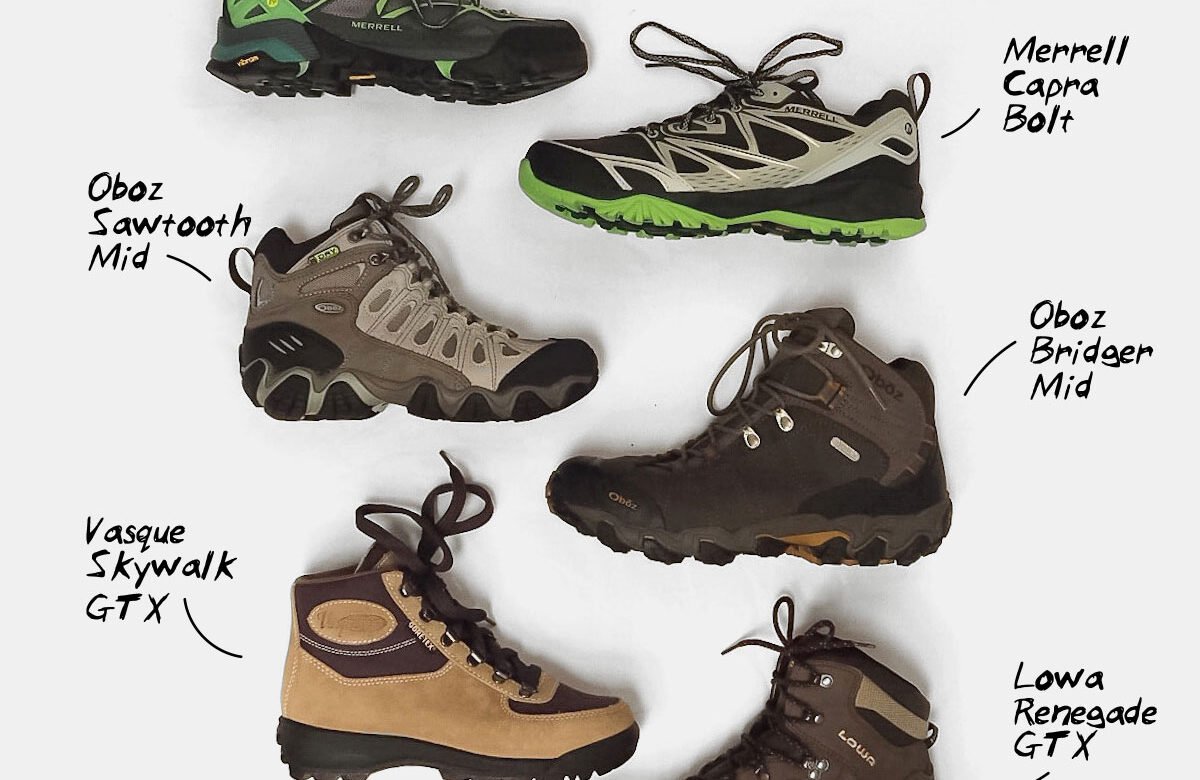
Your boots are the single most critical connection between you and the trail. A good pair of hiking boots will carry you effortlessly across miles of jagged granite, muddy forest floors, and steep mountain passes. A bad pair, on the other hand, will reward you with agonizing blisters, sore knees, and a ruined trip.
With hundreds of options ranging from featherlight trail running shoes to heavy-duty leather backpacking boots, picking the right footwear can feel overwhelming. The key is matching your boots to the specific terrain you explore and the weight of the load on your back.
Here is your complete guide to choosing the perfect hiking boots for any terrain.
1. Match Your Footwear Category to Your Terrain
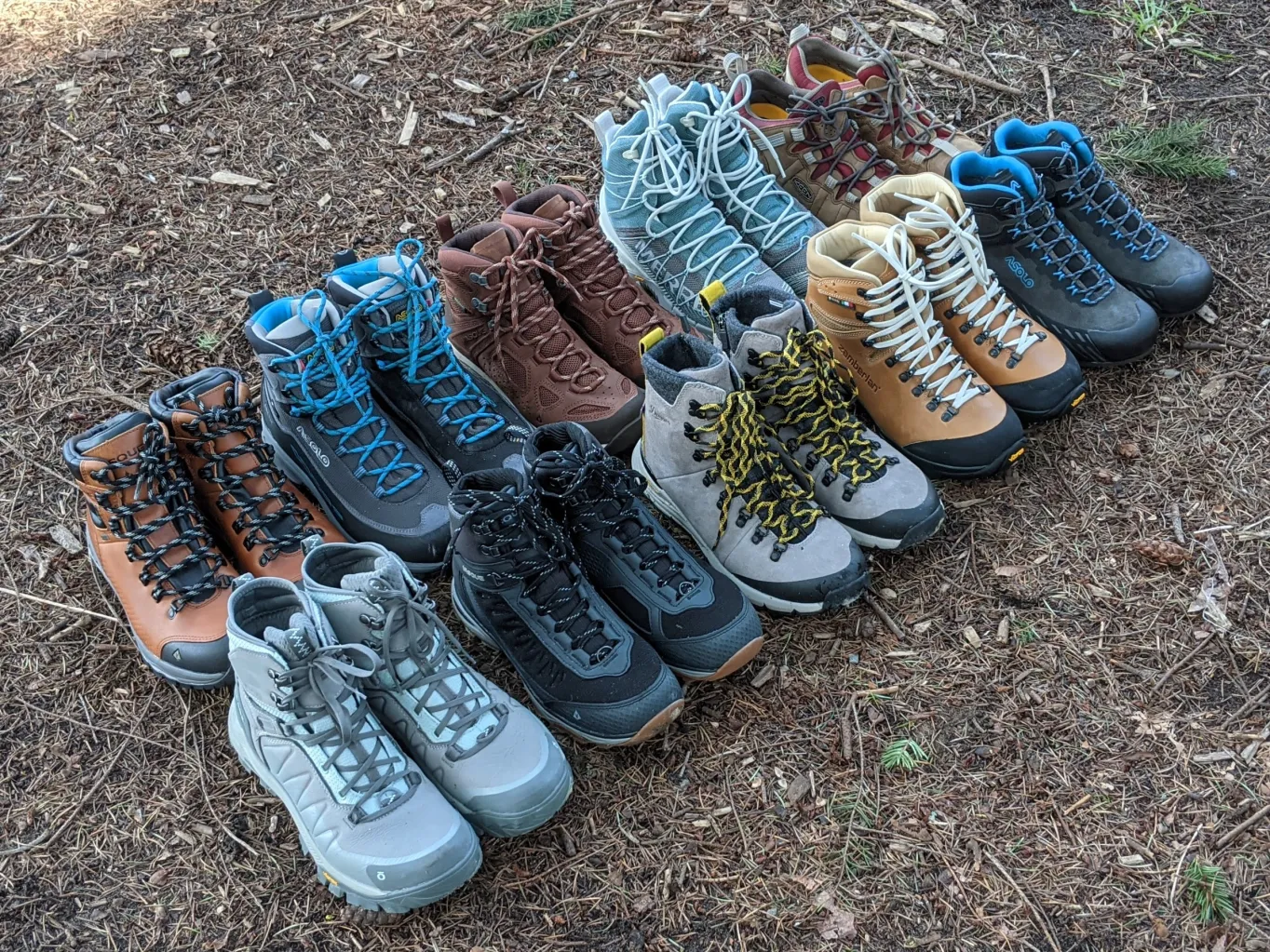
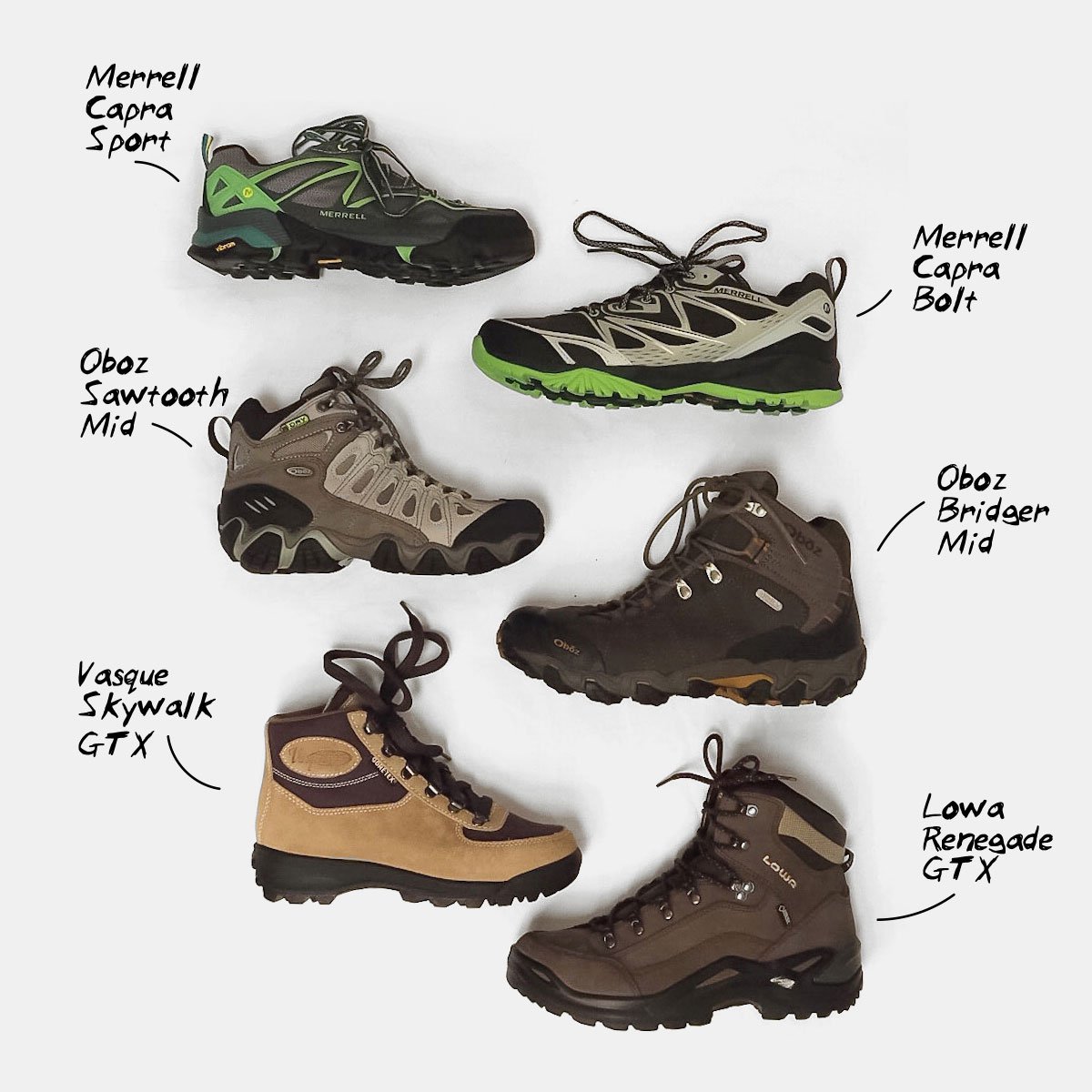
Not all trails require heavy ankle-high boots. Footwear generally falls into three distinct categories:
- Trail Running Shoes & Low-Cut Hikers: Best for well-maintained dirt paths, day hikes with a light pack, and fast-and-light adventures. They offer maximum flexibility, low weight, and immediate out-of-the-box comfort, though they offer minimal ankle support.
- Mid-Cut Hiking Boots: The sweet spot for most backpackers. Mid-cut boots wrap above the ankle joint to guard against rolls on loose gravel and scree while offering solid support for multi-day packs weighing 25–40 lbs.
- High-Cut Backpacking & Mountaineering Boots: Built for off-trail bushwhacking, steep alpine ascents, and heavy loads (40+ lbs). They feature stiff soles, high ankle collars, and rugged full-grain leather uppers built to withstand severe wear and tear.
2. Inspect the Outsole: Lugs, Rubber, and Heel Brakes
Traction is what keeps you upright when navigating slick river crossings or loose gravel descents. Pay close attention to the rubber compound on the bottom of the boot:
- Lug Depth & Spacing: Lugs are the raised rubber bumps on the outsole. Deep, widely spaced lugs bite into soft mud and snow, shedding dirt automatically as you walk. Shallow, closely spaced lugs offer more rubber contact area for gripping smooth rock faces.
- Heel Brakes: Look for a distinct, sharp heel ledge separate from the arch and forefoot. A pronounced heel brake prevents you from sliding forward during steep downhill descents.
- Sticky Rubber Compounds: Brands using specialized high-friction rubber (such as Vibram) deliver superior grip on wet boulders and smooth granite slabs.
3. Waterproof Membrane vs. Breathable Mesh
One of the biggest decisions you’ll face is choosing between a waterproof liner (like GORE-TEX) or a non-waterproof breathable mesh upper.
- Choose Waterproofing If: You regularly hike through wet grass, muddy trails, shallow stream crossings, or cold snowpack. Waterproof linings keep external moisture out while retaining internal warmth.
- Choose Non-Waterproof Mesh If: You hike primarily in hot, arid climates or during high-summer months. Non-waterproof boots breathe much better, preventing your feet from sweating profusely. Plus, if a non-waterproof boot gets submerged, it dries in a fraction of the time compared to a lined boot.
4. Evaluate Midsole Support & Torsional Rigidity
The midsole absorbs impact shock and dictates how stiff the boot feels underfoot.
- EVA (Ethylene Vinyl Acetate): Lightweight, soft, and cushiony. EVA midsoles feel like comfortable sneakers out of the box, making them great for day hikes and lighter loads. However, they compress over time.
- Polyurethane (PU): Denser, firmer, and significantly more durable than EVA. PU midsoles don’t compress under heavy backpack loads and provide the torsional stability needed to cross jagged, uneven boulder fields without foot fatigue.
5. Pro Fitting Tips: Get the Right Size
Even the highest-rated boot will fail if the fit is incorrect. Keep these fitting rules in mind when trying on new boots:
- Shop in the Afternoon or Evening: Your feet naturally swell throughout the day (and while hiking). Trying on boots at the end of the day prevents buying a pair that turns out too tight on the trail.
- Wear Your Trail Socks: Always test boots wearing the exact Merino wool or synthetic hiking socks you plan to use on your trips.
- The Downhill Finger Test: Put the boot on unlaced, slide your toes forward until they touch the front end, and check the gap behind your heel. You should be able to slide one finger behind your heel. This ensures your toes won’t smash into the front box when walking downhill.
Hiking Footwear Comparison Guide
| Footwear Style | Best Terrain | Ankle Support | Average Weight | Ideal Pack Load |
| Trail Runners | Maintained dirt trails, smooth paths | Low | 1.5 – 2.0 lbs | Under 20 lbs (Daypack) |
| Mid-Cut Boots | Rocky trails, mud, mixed terrain | Moderate to High | 2.5 – 3.5 lbs | 20 – 40 lbs (Weekend) |
| Mountaineering Boots | Off-trail, glaciers, steep alpine | Maximum | 3.5 – 5.0+ lbs | 40+ lbs (Expedition) |
“There are no shortcuts to any place worth going, but a good pair of boots makes the long road a whole lot sweeter.“
Hiker’s Wisdom
Final Thoughts
The best hiking boots are the ones that fit your feet comfortably and match the demands of your favorite routes. Take the time to break in new leather or mid-cut boots on shorter neighborhood walks before embarking on a long trek. Your feet will thank you at the end of every mile on thesteelstainless.com/shop !