
The beauty of the outdoors lies in its unpredictability—crisp morning air, untamed wilderness trails, and panoramic mountain vistas. However, that same unpredictability means conditions can shift in an instant. A sudden thunderstorm, a missed trail marker, or an unexpected drop in temperature can quickly transform a routine day hike into a high-stakes survival situation.
When you are far from cell service and medical help, self-reliance is everything. Safety outdoors isn’t about fear; it’s about preparation. Packing the right safety essentials ensures you’re ready to handle surprises with confidence.
Here is the essential, life-saving safety gear every outdoor enthusiast should pack before stepping onto the trail.
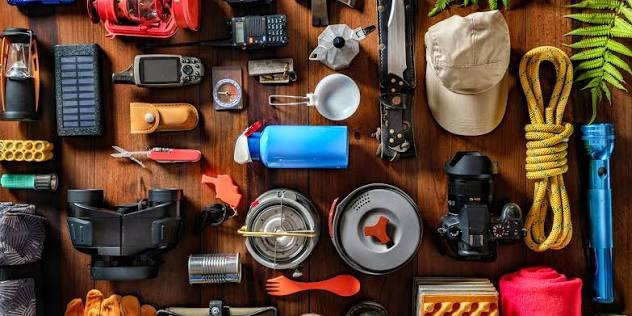
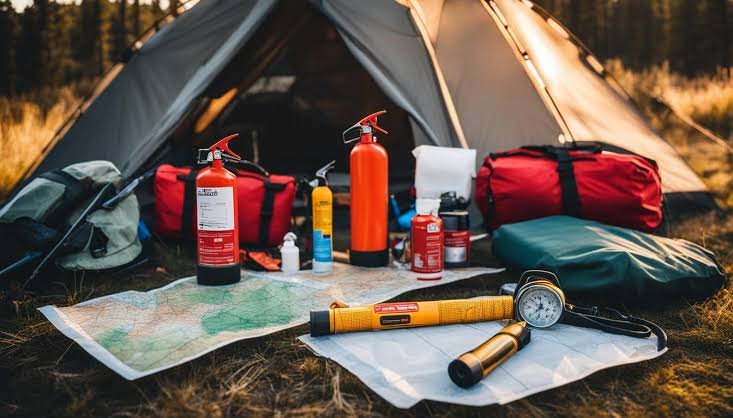
1. Reliable Navigation & Communication Tools
Relying solely on your smartphone for wilderness navigation is one of the most common mistakes hikers make. Cold temperatures drain phone batteries quickly, and dense canopy cover or remote canyons can eliminate cellular signal entirely.
- Satellite Messengers & PLBs: Personal Locator Beacons (PLBs) or satellite messengers allow you to send SOS signals and exact GPS coordinates to search-and-rescue teams even without cell reception.
- Analog Backup (Map & Compass): Always carry a physical, topographic map of your route protected in a waterproof case, alongside a reliable magnetic compass.
2. A Dedicated Wilderness First Aid Kit
A basic home band-aid pack won’t cut it when dealing with trail injuries like deep cuts, sprained ankles, or severe blister outbreaks.
- Waterproof Storage: Keep medical supplies sealed inside a heavy-duty, roll-top dry bag so adhesive bandages and sterile gauze remain clean and dry.
- Essential Trauma Items: Ensure your kit includes shears, medical tape, elastic compression bandages, antiseptic wipes, blister pads (mole-skin), tweezers for ticks/splinters, and emergency medication.
3. Compact Emergency Shelter & Insulation
If an injury or bad weather forces you to spend an unplanned night outdoors, hypothermia becomes your primary threat—even during summer months.
- Mylar Thermal Blankets: Lightweight emergency space blankets reflect up to 90% of your body heat back to you while blocking wind and moisture.
- Ultralight Emergency Bivy or Tarp: Packing an ultralight bivy sack gives you a instant weather-proof barrier against sudden downpours or dropping night temperatures without weighing down your pack.
4. Signal Whistle & High-Lumen Illumination
If you become disoriented or injured off-trail, making your location known to rescuers quickly is critical.
- Pealess Emergency Whistle: Human voices tire quickly when shouting for help. A high-decibel safety whistle carries much farther through wind and trees with minimal effort. Look for pealess designs that won’t freeze or clog in wet conditions.
- Waterproof Headlamp: Always pack a high-lumen headlamp with extra batteries or a rechargeable power bank. Navigating rocky terrain in total darkness is a fast track to injury.
5. Heavy-Duty Multi-Tools & Fire Starters
Being able to repair damaged gear or build a warmth-providing fire in damp conditions can make the difference in an emergency.
- Stainless Steel Multi-Tools: A heavy-duty stainless steel multi-tool equips you with pliers, sharp blades, wire cutters, and screwdrivers to fix broken tent poles, torn packs, or jammed stoves on the go.
- Waterproof Fire Starters: Carry ferrocerium rods (ferro rods) or stormproof matches alongside waterproof tinder. A ferro rod produces 3,000°C sparks regardless of rain or wind.
Outdoor Safety Gear Checklist
| Gear Item | Primary Function | Key Feature to Look For |
| Satellite Messenger | Emergency SOS & location tracking | 2-way satellite messaging & global coverage |
| Trauma First Aid Kit | Injury care & wound dressing | Sealed in a waterproof dry bag |
| Mylar Thermal Blanket | Core heat retention | High heat reflectivity & compact fold size |
| Emergency Whistle | Long-range audio signaling | Pealess, high-decibel design |
| Ferrocerium Rod | Emergency fire building | Works when completely wet, stainless scraper |
“Expect the best, plan for the worst, and prepare to be surprised.“
Denis Waitley
Final Thoughts
The best safety gear is the gear you carry with you on every outing—not just the long or challenging ones. By building a compact safety kit into your standard backpack, you ensure every adventure on thesteelstainless.com remains a memorable and safe experience.